Moving to Norway is a big change, but with the right information it can be a smooth and exciting step. This page is written as a friendly guide for anyone considering Norway as their next home, especially when moving from another European country like the Netherlands.
Moving to Norway Guide
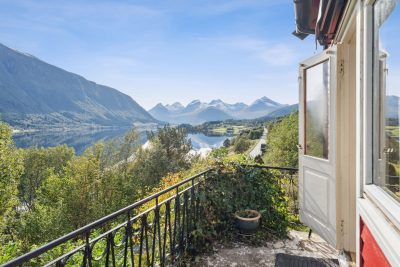
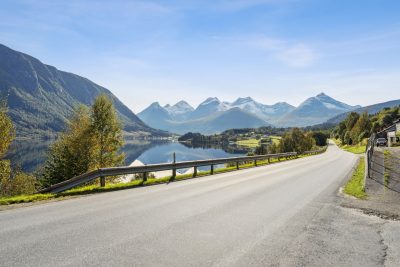
Norway is known for its dramatic nature, high living standards, and calm, safe society. People are drawn to Norway for its fjords and mountains, but also for stable jobs, good wages, and a strong social system. If you are looking for more space, cleaner air, and a quieter lifestyle, Norway can be a very attractive option.
1. Before you decide to move
Before you choose Norway, it helps to get clear on your reasons and expectations.
Think about your main goal: work, study, family, cheaper housing outside the big cities, or a more nature-focused lifestyle.
Look into which regions fit you best: big cities like Oslo and Bergen, or smaller towns and countryside areas with more space and lower prices.
Check how easy it will be to find work in your field, and whether you will need Norwegian for your profession.
2. Visas, permits and who can move
Norway is not part of the EU, so rules can be different from moving inside the EU/EEA.
If you are an EU/EEA citizen, you usually have the right to live and work in Norway, but you must still register and meet certain conditions, such as work, study, or sufficient funds.
If you come from outside the EU/EEA, you generally need a residence permit based on work, study, family reunification, or another accepted reason before you move.
3. First steps after arriving in Norway
Once you arrive, there are some practical steps that help you settle into daily life.
Register your move with the local authorities, apply for a Norwegian ID number, and sort out your tax registration.
Open a Norwegian bank account so you can receive your salary, pay rent, and handle everyday payments easily.
Check how healthcare, insurance, and social security work in your new municipality, so you know where to go if you need help.
4. Housing and cost of living
Norway is known for high prices, but your actual cost depends a lot on where and how you live.
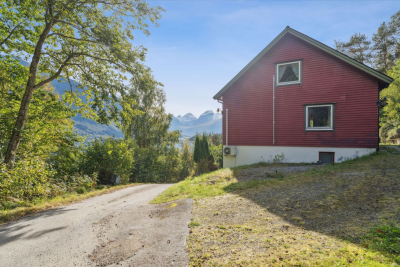
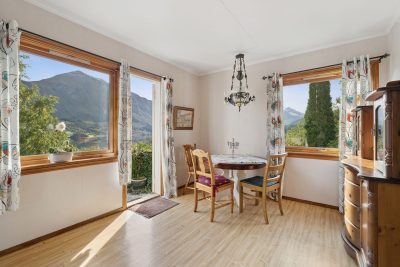
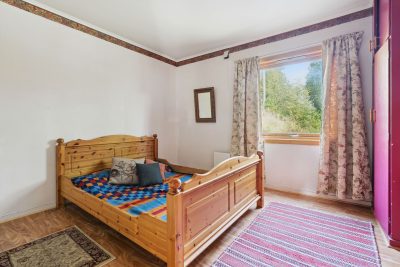
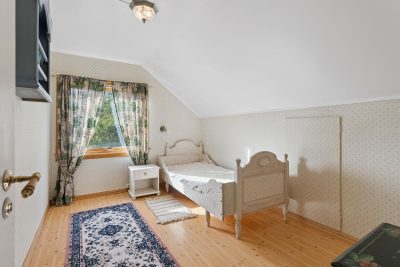
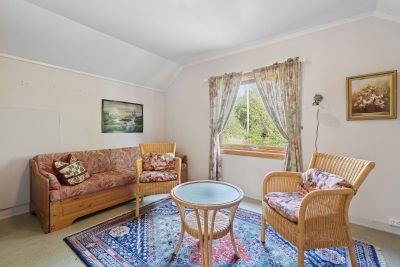
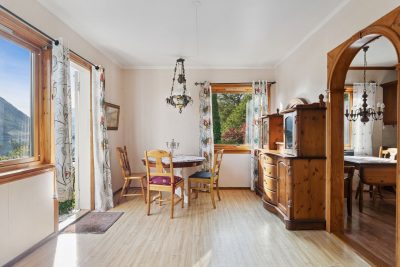
Housing in Oslo and other big cities can be expensive and competitive, while smaller towns and rural areas often offer cheaper and larger homes.
When planning your budget, include rent, electricity, heating, internet, transport, food, and winter clothing, because the long, cold seasons can influence your monthly costs.
5. Everyday life and integration
Norwegian people may seem reserved at first, but they are usually polite, honest, and reliable once you get to know them.
Many Norwegians speak good English, but learning Norwegian will make work, social life, and dealing with authorities much easier.
Joining local activities, sports clubs, outdoor groups, or language courses is one of the best ways to make friends and start feeling at home.