Emigrating to Finland: Everything You Need to Know
Thinking seriously about moving to Finland? This guide walks you through the key steps: permits, registration, housing, cost of living, and everyday life, so you know what to expect before you relocate.
1. Before you move
Before you pack your bags, it helps to check a few things in advance.
Make sure you understand which permit or registration you need (EU/non‑EU, work, study, family, etc.).
Collect important documents: passport or ID, birth and marriage certificates, diplomas, work contracts, and bank statements.
Check what you are allowed to bring and whether you must notify authorities in your current country about your move.
2. Visas, permits and registration
What you need depends on where you come from and how long you plan to stay.
EU/EEA citizens do not need a residence permit, but must register their right of residence with the Finnish Immigration Service (Migri) if staying longer than three months.
Non‑EU citizens usually need a residence permit based on work, study, entrepreneurship, family ties or another accepted reason, and must show sufficient income.
3. First steps after arrival
Once you arrive in Finland, there are a few “boring but important” steps that make daily life work.
Register as a resident, apply for a tax card, and open a Finnish bank account so you can receive salary and pay bills.
Check if you qualify for Finnish social security and learn how healthcare and insurance work in your new municipality.
4. Housing and cost of living
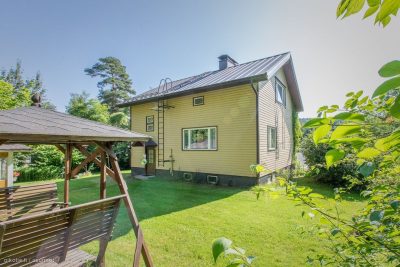
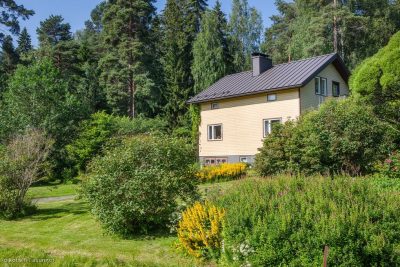
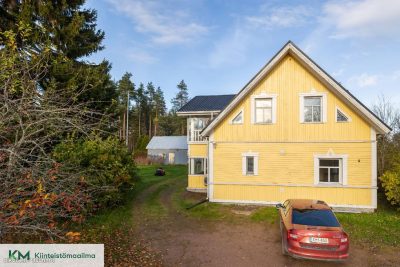
Housing and prices vary a lot between Helsinki and smaller cities or rural areas.
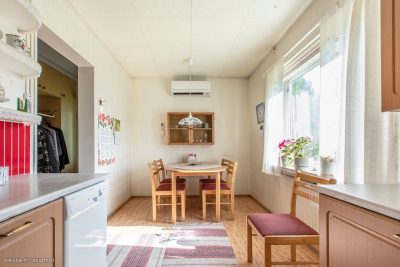
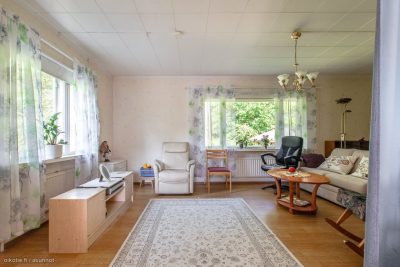
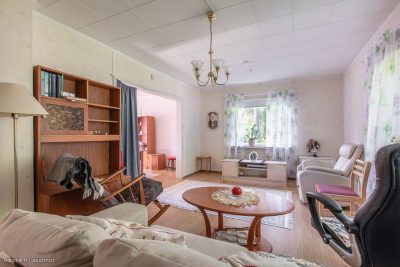
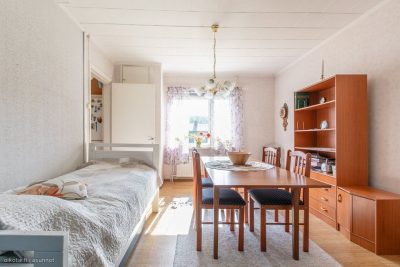
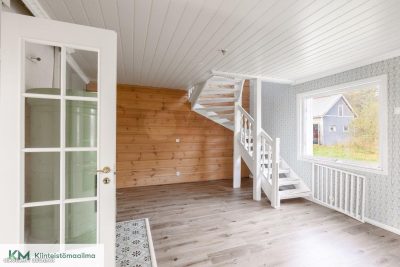
Rents are higher in the Helsinki region, while other areas often offer cheaper, larger homes; start searching early because rentals are in demand.
In your monthly budget, include rent, utilities (electricity, heating, water), internet, transport and groceries, as Nordic winters can increase energy costs.
5. Everyday life and integration
Finland is safe, organised and calm, but the culture and climate can take some getting used to.
Many people speak good English, but learning Finnish (or Swedish in some regions) helps with work, services and feeling at home.
Joining local hobbies, community groups or newcomer services makes it easier to build a social network and turn your move into a real new life.